2 hours ago
Latest Updates
Featured Posts
Get in Touch
Location:
123 Innovation Street
Tech District, CA 94105
123 Innovation Street
Tech District, CA 94105
Email:
[email protected]
[email protected]
Phone:
+1 (234) 567-890
+1 (234) 567-890
Kebabs, Biryani along with a World More: A Historic Indian City Secures a Place on the UNESCO Creative Cities List.
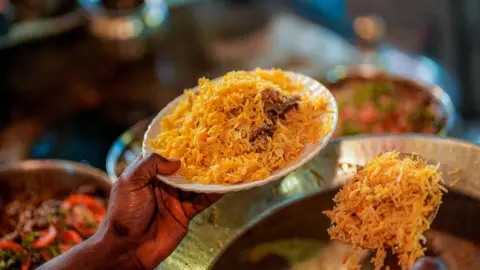
Tempting kebabs, aromatic biryani, and airy, ethereal desserts.
The northern Indian city of Lucknow has forever been a dream destination for epicures, with inhabitants and tourists equally celebrating its superb cuisine.
A Global Honor
Recently, UNESCO designated it as a Creative City of Gastronomy – including it in a prestigious list of world cities and igniting hopes that it will highlight Lucknow's exceptional food. With this status, it becomes part of a global network of over 400 urban centers across over 100 countries dedicated to promoting "innovation as a key factor of development that sustains urban life".
The honor "demonstrates its centuries-old culinary traditions and dynamic food ecosystem," as stated by a official from UNESCO's Regional Office for South Asia.
Lucknow is merely the second Indian city – following Hyderabad, which was chosen in 2019 – to find a place in this prestigious list of seventy urban centers internationally.
An Urban Center with a Culinary Soul
The accolade for this venerable city comes as no surprise to its residents or avid food lovers. Many share the view that it is "better late than never".
With the UNESCO accolade, this cherished, lively, and eclectic city – the administrative center of India's biggest state – is finally in the spotlight for what has consistently characterized its essence: an unparalleled passion for food.
"'The day's menu, the method of preparation' is a constant conversation from morning until night in many homes," explains a local cultural expert. "And you are actually evaluated by the excellence of food that is produced in your kitchen."
An Imperial Food Tradition
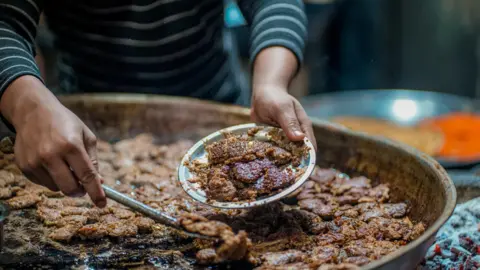
The City of Nawabs – as it's widely known after its 18th and 19th Century opulent Muslim rulers – is noted for its succulent kebabs and a distinctive take on biryani that were created, evolved, and taken to exquisite levels in their royal kitchens.
These kitchens of the nobility were centers of food experimentation, merging Iranian and local Indian styles to create what became known as the culinary tradition of Awadh.
It was in this era that Lucknow's most famous kebabs were fashioned. As the tale is told that the galouti kebab was devised to cater to an ageing nawab who had no longer had his teeth. His cooks ground the meat with papaya, saffron, and a blend of spices and made it so fine that it needed no chewing.
But perhaps the most significant contribution of the chefs of Awadh was the slow-cooking Dum pukht technique, where food is prepared on a low, leisurely heat, with the pot's lid tightly closed with a flour paste.
Beyond Kebabs and Biryani
Apart from the famous kebabs and biryani, the cooks also developed a collection of dishes that included kormas (rich curries), sheermal (saffron-infused flatbread), and shahi tukda (a rich bread pudding).
However, Lucknow is not only about kebabs and biryani – the region is also a vegetarian's paradise.
The local traditionally vegetarian community's cuisine not only celebrates fresh harvests but also provides the city its exquisitely crafted Indian desserts, sweets, and unique street food, like chaat – zesty fried snacks.
Hidden Gems and Legacy Eateries
Virtually on many street corners, there are small establishments and kiosks – lesser-known gems that are immensely loved by the locals.
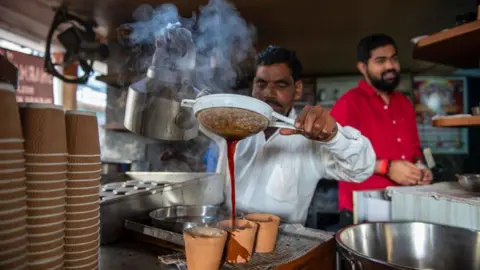
In the central district of Hazratganj, large gatherings start gathering from 5 am at a renowned tea stall to get a piping hot cup of spiced tea with milk, offered in clay glasses, along with pillowy soft buns covered in freshly churned white butter.
In the morning, one can visit a no-frills joint situated in the old city area of Aminabad. Almost 150 years after it was founded, the place is still in great demand for its hot kachoris (fried bread stuffed with lentils) and jalebis (crispy, syrup-soaked sweets).
Safeguarding a Culinary Heritage
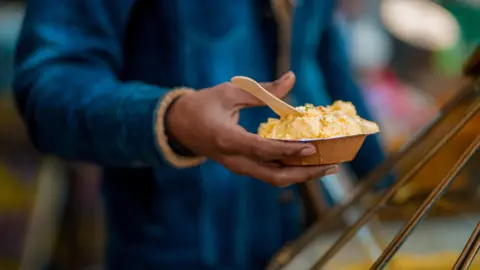
The city also offers unique treats of the season, such as makkhan malai, a frothy dessert savored in the winter. The technique of making it is scientific and involved. The cook whisks the milk and then exposes it at night, allowing the nighttime moisture to give it its unique frothy texture.
On crisp mornings, street vendors are often seen in historic neighborhoods like Aminabad and Chowk. Many though express concern that their children do not want to take up the art.
A celebrity chef from Lucknow has noted that the city's profound food legacy positions it at the very pinnacle of the Indian street food experience. The real value from the UNESCO recognition, however, will occur only if Lucknow can now build recognition about its hidden eateries.
Every dish in Lucknow has a narrative – influenced by family-run food businesses, from modest street carts to bustling restaurants, and secret family recipes.
The global recognition, it is anticipated, will inspire more people globally to discover these narratives and visit the city to delight in the culinary delights of Lucknow.

Benjamin Thomas
A senior web developer and digital strategist with over a decade of experience in creating high-performance websites and effective marketing campaigns.

Sponsored News
News
This Spooky-Cute Brain-Teaser Serves as the Ideal Alternative to Spooky Scares
Benjamin Thomas
News
Hazbin Hotel's Creator Is Aware of Your Second Season Predictions — With Some Positive Updates
Benjamin Thomas
News
Defense Department Report Finds Hegseth Put Military Personnel in Danger with Messaging App Conversation.
Benjamin Thomas
News
News
The Turin Giants Appoint Ex- Italian National Team Head Coach the Experienced Gaffer
Benjamin Thomas
News
The Anime Juggernaut Economics: The Way This Anime Phenomenon Transformed Into a Cinematic Saviour.
Benjamin Thomas